Showing posts with label History. Show all posts
Showing posts with label History. Show all posts
Tuesday, August 2, 2011
The Art of NASA
The latest issue of Physics Today has an excellent article about art inspired (and funded) by NASA. Thanks to the singular James Webb, NASA decided that photography and video alone were not enough to express what NASA does, so he contacted the National Gallery of Art and the rest is, well, beautiful. Here are a few of my favorites - check the Physics Today article for more or just stop by the exhibit in Smithsonian Air and Space Museum.


Wednesday, October 20, 2010
Academically I'm Issac Newton's 14th Great-Grandson
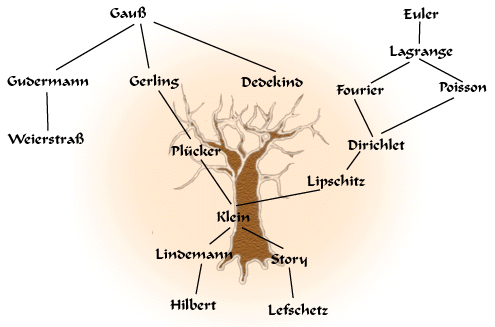
My adviser's degree is in applied math (as far as I can tell British universities call theoretical physics applied math), so I have a link into the system. Here are a few of my more notable direct academic ancestors:
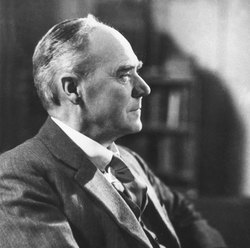
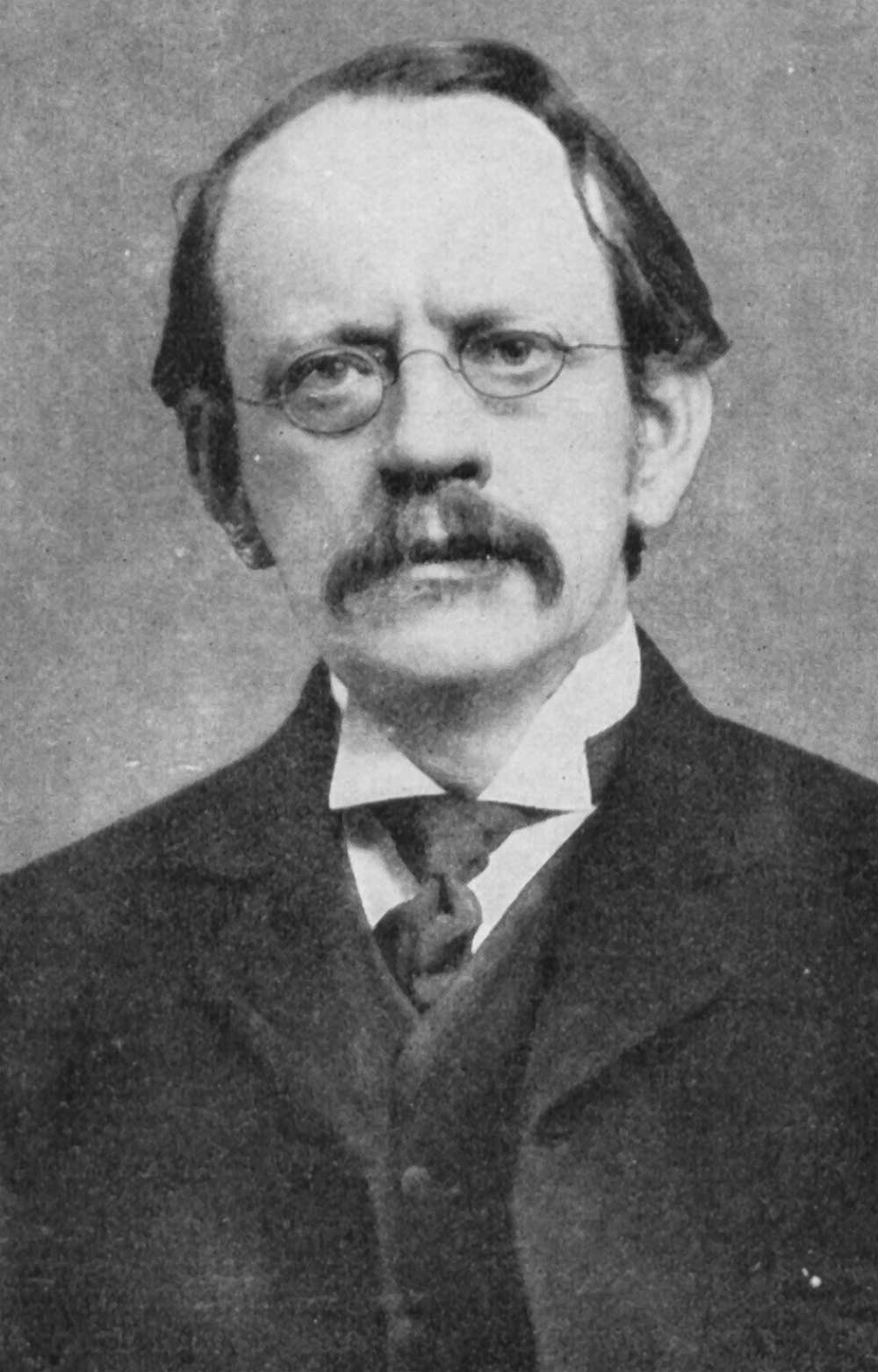
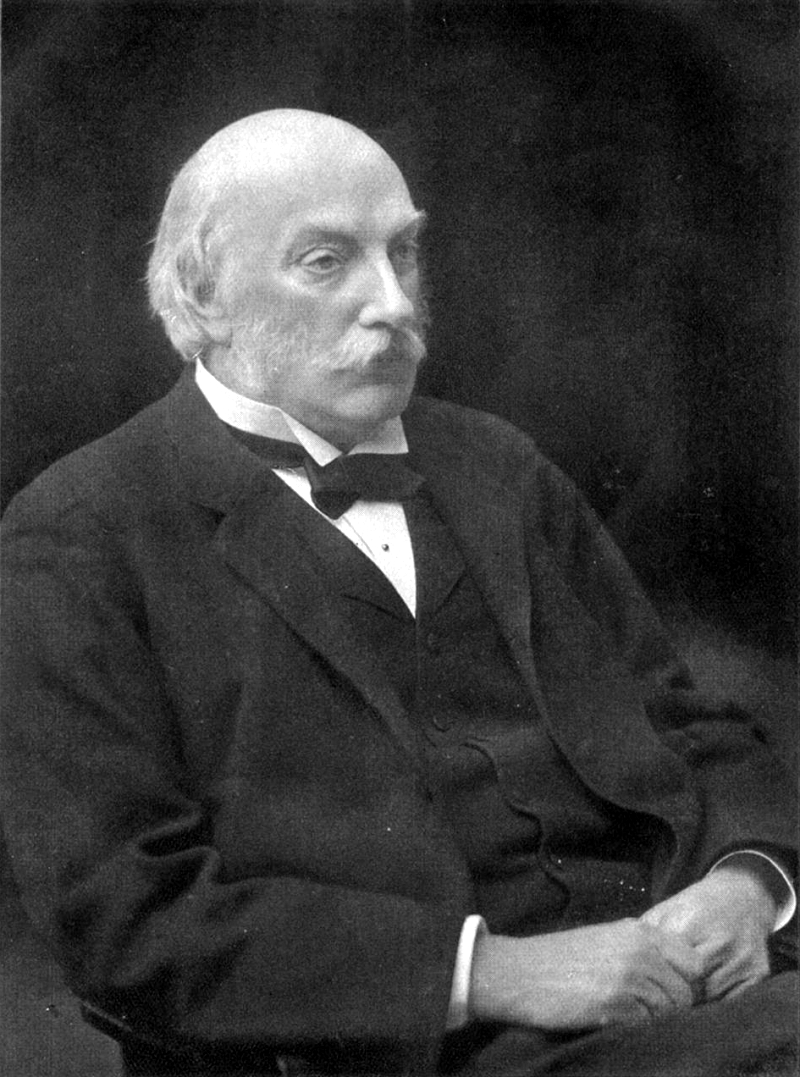
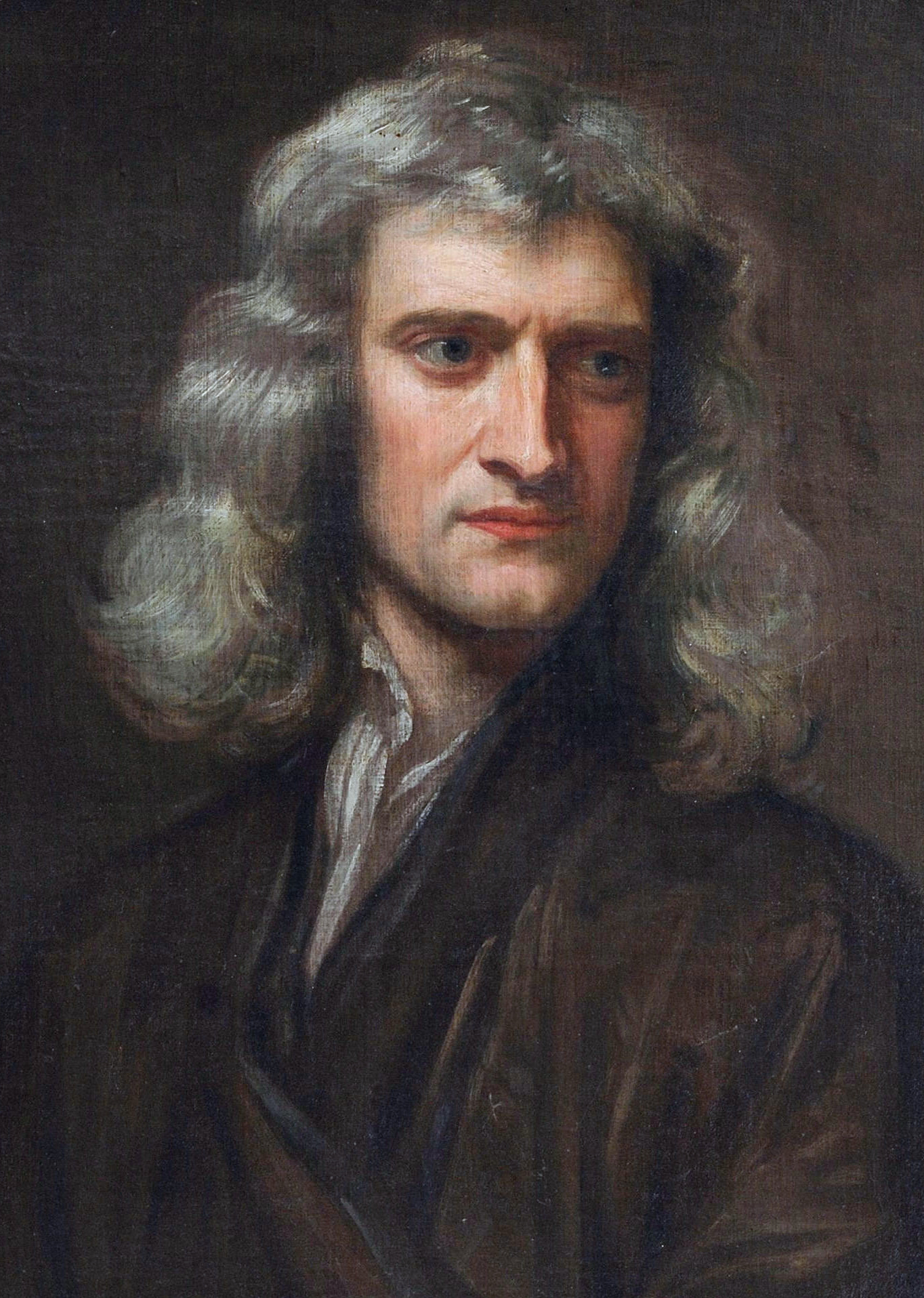
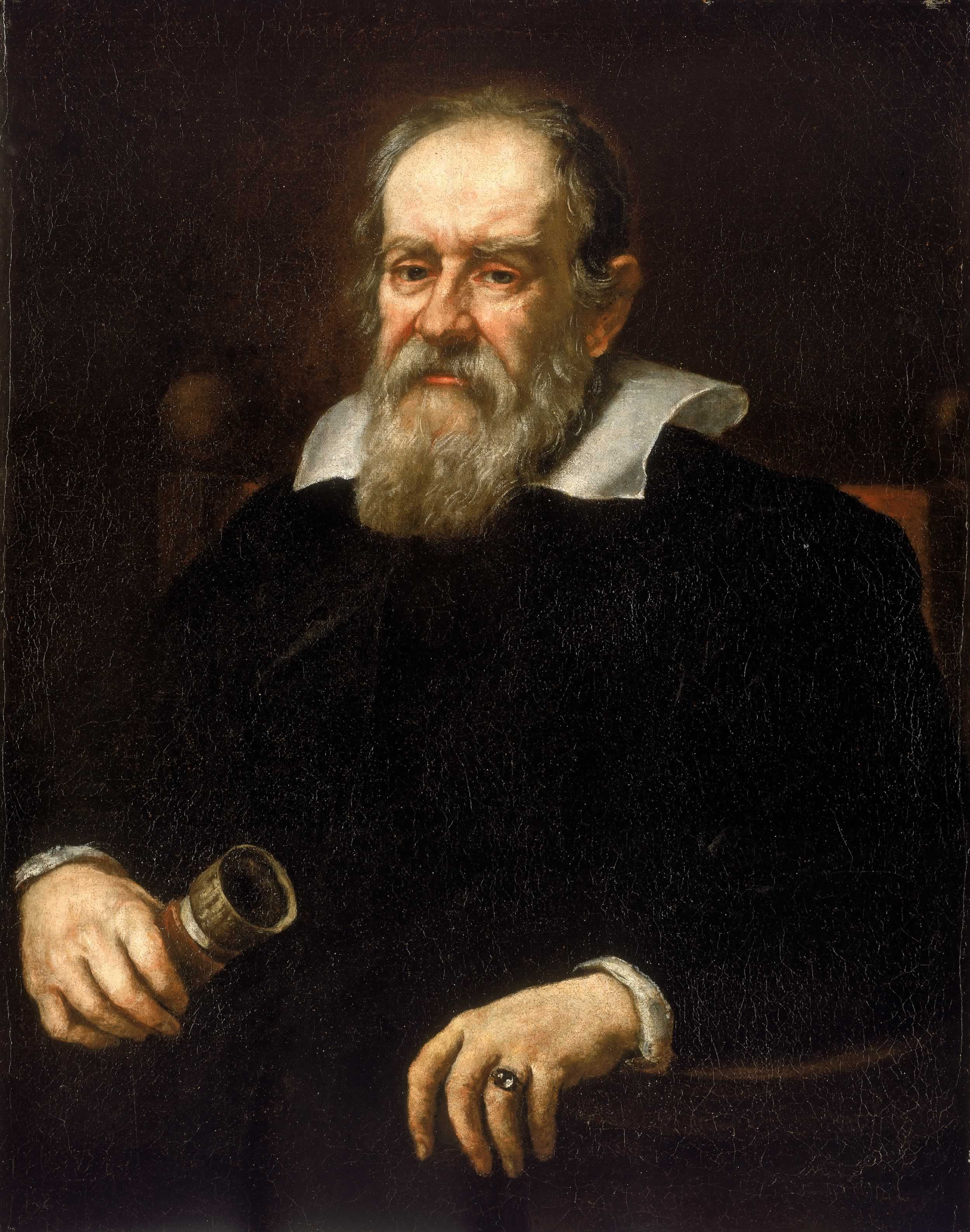
Like I said, everyone likes to feel a connection to the past and then tell everyone else about it.
Friday, July 2, 2010
A Historical Campus
One of the things that I learned about UNC shortly after coming here is that this is a very old school. While BYU was founded in 1875 (well the Brigham Young Academy was founded in 1875, but BYU as we know it did not come about until about 1909) UNC was founded in 1795, so there is a little bit more history here than at BYU. On a practical level this means that in some cases when I am on campus I am walking around in a vary large, living museum. On almost every building on campus you can find a brass plaque detailing the age and history of each building. There are also memorials and statues of everything from Civil War soldiers to a sheep named Rameses.
While a lot of the history is well known, there are other parts of UNC's history that are not as well known, such as the fact that the university was founded by Freemasons. This little tidbit of information may not be surprising considering the number of influential Freemasons in the early days of the United States, but most people fail to see the influence that that has had on the University. For example, the Freemason influence can even be found in the actual layout of buildings on campus, as seen below:

This is a picture of central campus from Google Maps (For those of you who are not Freemasons, or are not familiar with Freemason Temples, which I assume is just about everyone on this blog, I will explain how this relates to Freemasons). The building on the top right is Old East and is the oldest building on campus (and coincidentally, the oldest building on a state university campus in the US). On the left is Old West, and at the bottom is Old South, the three oldest buildings on campus. In the middle is the Old Well, well known (haha!) as the main symbol (logo) of UNC.


Also note that there is no building on the north side. Now for those who are not familiar with Freemason Temples, a brief instruction is needed. Masonic temples all have the same general floor plan:

On the south is the seat of the Junior Warden, on the west is the seat of the Senior Warden and on the east is the seat of the Worshipful Master (or Grand Master), with the alter with lights in the center. There are no seats to the north (in some lodges that is the place of entrance, in others, as indicated by the above image, it is the place of darkness). If you look at the layout of UNC buildings above you will note that they correspond to the layout of a Masonic Temple with Old East taking the place of the Worshipful Master's seat, Old South the Junior Warden's, Old West the Senior Warden's and the Old Well the place of the altar. Again there is nothing to the north.
I am sure that there are other interesting things about the history of UNC, but this particular tidbit of trivia I found to be very interesting. Perhaps there are some less-well-known points of history at your schools.
As an added bit of fun for this post, try to find the three Masonic symbols in the streets of this major US city.

[Hint: One of them is slightly obscured, but you can still see it. Also note that the IMPORTANT buildings are components of the symbols.]
[Second Hint: The city is Washington DC.]
While a lot of the history is well known, there are other parts of UNC's history that are not as well known, such as the fact that the university was founded by Freemasons. This little tidbit of information may not be surprising considering the number of influential Freemasons in the early days of the United States, but most people fail to see the influence that that has had on the University. For example, the Freemason influence can even be found in the actual layout of buildings on campus, as seen below:

This is a picture of central campus from Google Maps (For those of you who are not Freemasons, or are not familiar with Freemason Temples, which I assume is just about everyone on this blog, I will explain how this relates to Freemasons). The building on the top right is Old East and is the oldest building on campus (and coincidentally, the oldest building on a state university campus in the US). On the left is Old West, and at the bottom is Old South, the three oldest buildings on campus. In the middle is the Old Well, well known (haha!) as the main symbol (logo) of UNC.
Also note that there is no building on the north side. Now for those who are not familiar with Freemason Temples, a brief instruction is needed. Masonic temples all have the same general floor plan:
On the south is the seat of the Junior Warden, on the west is the seat of the Senior Warden and on the east is the seat of the Worshipful Master (or Grand Master), with the alter with lights in the center. There are no seats to the north (in some lodges that is the place of entrance, in others, as indicated by the above image, it is the place of darkness). If you look at the layout of UNC buildings above you will note that they correspond to the layout of a Masonic Temple with Old East taking the place of the Worshipful Master's seat, Old South the Junior Warden's, Old West the Senior Warden's and the Old Well the place of the altar. Again there is nothing to the north.
I am sure that there are other interesting things about the history of UNC, but this particular tidbit of trivia I found to be very interesting. Perhaps there are some less-well-known points of history at your schools.
As an added bit of fun for this post, try to find the three Masonic symbols in the streets of this major US city.

[Hint: One of them is slightly obscured, but you can still see it. Also note that the IMPORTANT buildings are components of the symbols.]
[Second Hint: The city is Washington DC.]
Subscribe to:
Posts (Atom)